 Louis Butler
Gold Silver Prices are experiencing volatility this week due to inflation data and rising tensions in West Asia. Investors should stay informed to navigate these changes effectively.
Current Gold Silver Prices Overview
The current landscape of gold and silver prices reflects a dynamic and often volatile market, driven by various economic indicators and geopolitical events. As of this week, both gold and silver have experienced fluctuations largely influenced by inflation data and ongoing tensions in West Asia.
Recent reports indicate that:
- Gold prices are hovering around $1,900 per ounce, showcasing a slight increase as investors seek safe-haven assets amidst market uncertainties.
- Silver prices have also seen a rise, currently positioned near $25 per ounce, appealing to both industrial users and investors alike.
- The correlation between inflation rates and precious metal prices remains strong, with higher inflation often leading to increased demand for gold and silver as protection against currency devaluation.
Market analysts suggest that the volatility is expected to continue in the coming weeks. Factors such as potential changes in monetary policy and geopolitical developments will play a crucial role in determining the direction of gold and silver prices. Investors are advised to stay informed and consider these elements when deciding the right time to invest in gold and silver prices.
Factors Influencing Gold Prices
The fluctuations in gold prices are influenced by a variety of factors that investors need to consider, especially in times of economic uncertainty. Understanding these factors can provide valuable insights for those looking to invest in gold and silver prices.
- Inflation Rates: High inflation typically drives investors toward gold as a hedge against currency devaluation. When inflation rates rise, the demand for gold tends to increase, pushing prices higher.
- Geopolitical Tensions: Events such as conflicts in West Asia can lead to increased demand for gold. Investors often turn to precious metals during times of uncertainty, which can cause prices to spike.
- Interest Rates: Low interest rates make gold more attractive compared to other investments that yield interest. When central banks lower rates, gold prices often rise as the opportunity cost of holding gold diminishes.
- Currency Strength: A weaker US dollar generally results in higher gold prices. Since gold is priced in dollars, a decline in the dollar’s value makes gold cheaper for foreign investors, boosting demand.
- Market Sentiment: Investor sentiment and market speculation can lead to price volatility. Positive news about economic recovery can decrease gold prices, while negative news can cause surges.
Impact of Inflation on Silver Prices
The relationship between inflation and silver prices has become increasingly significant as the economy faces ongoing volatility. Historically, silver has been viewed as a hedge against inflation, attracting investors seeking to preserve their wealth. This trend is expected to continue, particularly as inflation rates fluctuate and global uncertainties persist.
Several factors contribute to the impact of inflation on silver prices:
- Increased Demand for Safe-Haven Assets: During periods of rising inflation, investors often flock to precious metals like silver, driving up its demand and consequently its price.
- Production Costs: Inflation can lead to higher production costs for silver mining operations. As these costs rise, mining companies may decrease output, further constraining supply and elevating prices.
- Interest Rates: Central banks typically respond to inflation by adjusting interest rates. Lower interest rates tend to boost the appeal of non-yielding assets like silver, pushing prices upward.
As we navigate through these economic challenges, understanding the correlation between inflation and silver prices becomes vital for investors. Keeping an eye on inflation trends may provide insights into the right time to invest in gold and silver prices, capitalizing on potential gains in a turbulent market.
Geopolitical Tensions and Market Reactions
The ongoing geopolitical tensions across various regions are significantly influencing gold and silver prices. As uncertainties escalate, investors often flock to precious metals, viewing them as safe-haven assets. Recent events in West Asia have sparked concerns that ripple through the global markets, leading to increased volatility in bullion prices.
In light of these developments, market analysts suggest that the current environment may present a strategic opportunity for investors. The following points outline how geopolitical factors are shaping market reactions:
- Increased Demand for Safe Havens: Historical trends show that during times of conflict or instability, demand for gold and silver typically rises, driving prices upward.
- Market Sentiment: Traders’ perceptions of risk can lead to rapid price movements as they react to news and forecasts related to geopolitical events.
- Supply Chain Disruptions: Regional conflicts can disrupt mining operations and logistics, further tightening the supply of precious metals and influencing market prices.
As investors weigh their options, understanding the impact of these geopolitical tensions on gold and silver prices is crucial. With volatility expected to persist, it remains essential to stay informed about the evolving landscape for those considering investing in precious metals.
Investment Strategies for Bullion
As investors navigate the tumultuous waters of bullion markets, developing effective investment strategies for gold and silver is crucial. The recent fluctuations in gold silver prices have prompted many to reconsider their approaches.
One effective strategy is to adopt a buy-and-hold mentality, particularly during periods of volatility. This approach allows investors to capitalize on long-term trends rather than reacting to short-term market movements. By purchasing gold and silver during dips, investors can accumulate assets at lower prices, potentially increasing their returns when prices rebound.
Another strategy is to diversify within the precious metals sector. Investors can consider a mix of gold, silver, and even platinum or palladium to mitigate risk. This diversification can help balance portfolios and reduce the impact of price fluctuations in any single metal.
Additionally, utilizing dollar-cost averaging can be beneficial. This method involves investing a fixed amount in gold or silver at regular intervals, regardless of the price. Over time, this strategy can reduce the average cost per ounce and protect against market volatility.
Lastly, keeping abreast of global economic indicators and geopolitical developments is essential, as these factors can significantly impact gold silver prices. By staying informed, investors can make timely decisions that align with their financial goals.
Future Outlook for Precious Metals
As investors navigate a landscape marked by uncertainty, the future outlook for precious metals, particularly gold and silver prices, remains a topic of great interest. Analysts predict that ongoing economic factors will continue to influence these markets in the coming months.
One significant element is the anticipated changes in interest rates. With central banks closely monitoring inflation, any shifts could lead to increased demand for gold and silver as safe-haven assets. This demand is likely to be amplified if economic indicators point toward further volatility.
Additionally, geopolitical tensions are expected to play a critical role. With conflicts in various regions, investors may seek refuge in precious metals, driving prices higher. The interplay of these tensions with market sentiment can lead to sudden price fluctuations, making timing crucial for potential investors.
Moreover, the industrial demand for silver, especially in technology and renewable energy sectors, adds another layer of complexity to the market dynamics. As countries push for greener solutions, silver’s role could become even more pronounced.
In summary, while the future of gold and silver prices may be uncertain, the interplay of economic indicators, geopolitical developments, and industrial demand suggests that this could be a pivotal time for investment in precious metals.
Investors are closely monitoring Gold Silver Prices as they fluctuate due to market uncertainty. Understanding the trends in Gold Silver Prices can help you make informed decisions about when to enter the market.
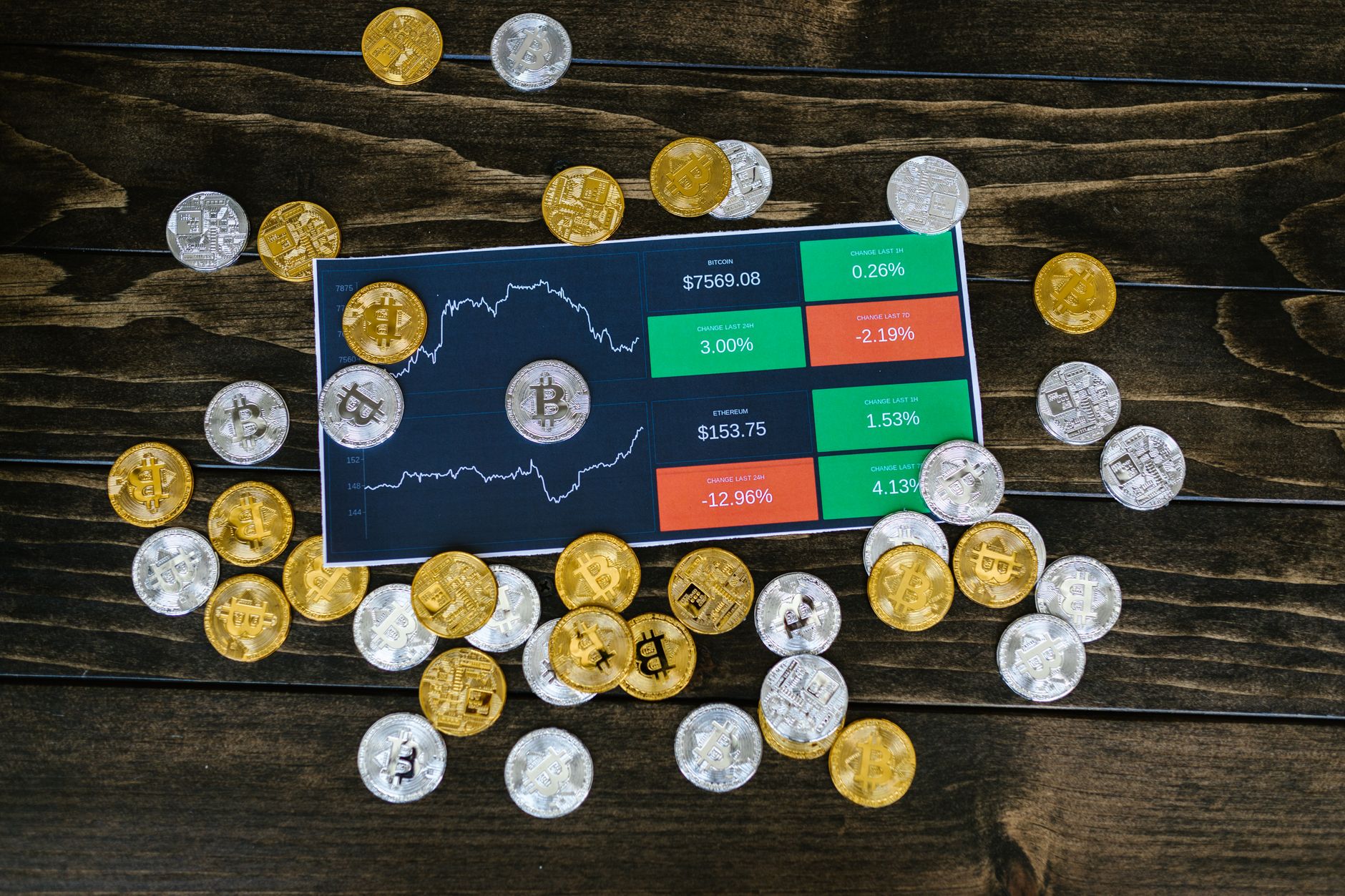
Photo by RDNE Stock project on Pexels