 Louis Butler

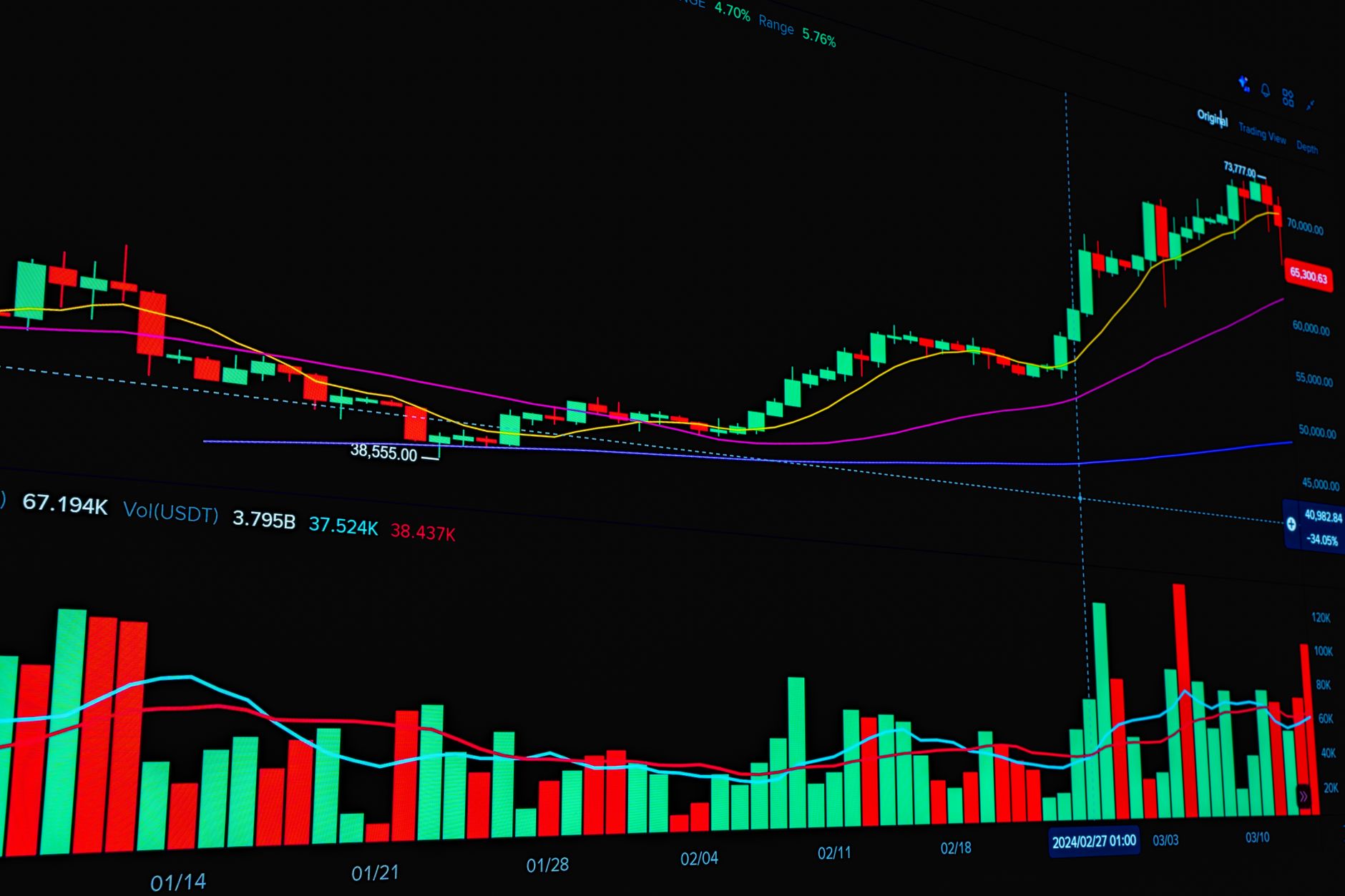
Bitcoin price falling has become a hot topic among investors recently. Understanding the reasons behind this trend is crucial for anyone involved in the cryptocurrency market.
Understanding Bitcoin Price Falling
The recent trend of Bitcoin price falling has raised concerns among investors and enthusiasts alike. Various factors contribute to this decline, making it essential to understand the underlying reasons.
One major aspect influencing the price is market sentiment. The cryptocurrency market is notoriously volatile, and negative news can trigger widespread panic selling. As more investors lose confidence, the Bitcoin price falling becomes a self-fulfilling prophecy.
Additionally, regulatory scrutiny has intensified, with governments worldwide examining cryptocurrency transactions more closely. This has led to fears of potential restrictions or bans, further impacting investor confidence. Coinbase, a leading cryptocurrency exchange, has highlighted that regulatory uncertainty is a significant factor in the current market climate.
Another reason for the decline is the increasing competition from alternative cryptocurrencies. As new projects emerge, investors may choose to diversify their portfolios, leading to a shift away from Bitcoin. Many view these alternatives as offering better technology or use cases, contributing to a decrease in Bitcoin’s market dominance.
Lastly, macroeconomic factors cannot be ignored. The global economy is experiencing shifts that impact all financial markets, including cryptocurrencies. Inflation rates, interest rate changes, and economic downturns can all lead to diminished investment in Bitcoin.
In conclusion, the Bitcoin price falling is a multifaceted issue shaped by market sentiment, regulatory developments, competition, and broader economic influences.
Factors Contributing to Bitcoin’s Decline
The recent Bitcoin price falling has raised concerns among investors and analysts alike. Several factors contribute to this downward trend, each playing a crucial role in shaping market sentiment and investor behavior.
- Market Sentiment: The overall mood in the cryptocurrency market has shifted negatively, leading to increased selling pressure. Fear and uncertainty often drive traders to liquidate their positions, further exacerbating the decline.
- Regulatory Developments: Increasing scrutiny from governments around the world has led to heightened apprehension among investors. New regulations can create an unstable environment, prompting many to pull back from investing in Bitcoin.
- Technical Indicators: Analysts point out that several key technical indicators are signaling bearish trends. As prices break below critical support levels, this can trigger automated selling and panic among retail investors.
- Adoption Rates: Slower-than-expected adoption rates for Bitcoin as a mainstream asset can contribute to falling prices. If businesses and consumers continue to hesitate in embracing cryptocurrency, demand may wane.
- Global Economic Factors: Broader economic conditions, including inflation rates and economic stability, can significantly impact investor confidence. Economic downturns often lead to reduced risk appetite, pushing investors away from volatile assets like Bitcoin.
Coinbase’s Insights on Bitcoin Price Falling
In a recent analysis, Coinbase provided valuable insights into the ongoing trend of the Bitcoin price falling. According to their findings, several interconnected factors are contributing to this decline, prompting concerns among investors and enthusiasts alike.
Coinbase highlighted the following key reasons behind the downward spiral:
- Regulatory Scrutiny: Increased regulatory oversight in various countries has led to uncertainty in the market, causing many investors to pull back.
- Market Sentiment: Diminished confidence among retail investors has resulted in a sell-off, further driving the Bitcoin price falling.
- Macro-economic Factors: Global economic conditions, including inflation fears and interest rate hikes, have also played a significant role in affecting cryptocurrency markets.
- Technological Issues: Concerns over network scalability and transaction speeds have raised questions about Bitcoin’s long-term viability.
Furthermore, Coinbase pointed out that the cryptocurrency market tends to be highly volatile, and such fluctuations are not uncommon. As the Bitcoin price falling continues, analysts suggest that investors should remain cautious and consider long-term strategies rather than reacting impulsively to short-term market movements.
Understanding these insights may help investors navigate the complexities of the current market environment.
What Investors Should Know About Bitcoin
The cryptocurrency market has been volatile, and Bitcoin price falling has raised concerns among investors. Understanding the nuances of this decline is essential for making informed decisions. Here are key points investors should consider:
- Market Sentiment: Investor confidence plays a crucial role in Bitcoin’s value. Negative news or uncertainty can lead to panic selling, exacerbating the decline.
- Regulatory Changes: Government regulations can significantly impact Bitcoin prices. Recent announcements regarding stricter regulations have contributed to the current downturn.
- Technological Developments: Upgrades or security issues within the Bitcoin network may affect its perceived reliability, influencing prices.
- Market Manipulation: The cryptocurrency market is susceptible to manipulation, with large stakeholders sometimes causing significant price swings.
- Alternative Investments: As other cryptocurrencies and investment vehicles gain traction, Bitcoin may face increased competition, which can affect its price.
While the Bitcoin price falling trend may be concerning, it is essential for investors to conduct thorough research and stay informed. Market conditions can change rapidly, and with the right approach, investors can navigate the challenges posed by this decline.
Photo by Rafael Minguet Delgado on Pexels