
 Louis Butler
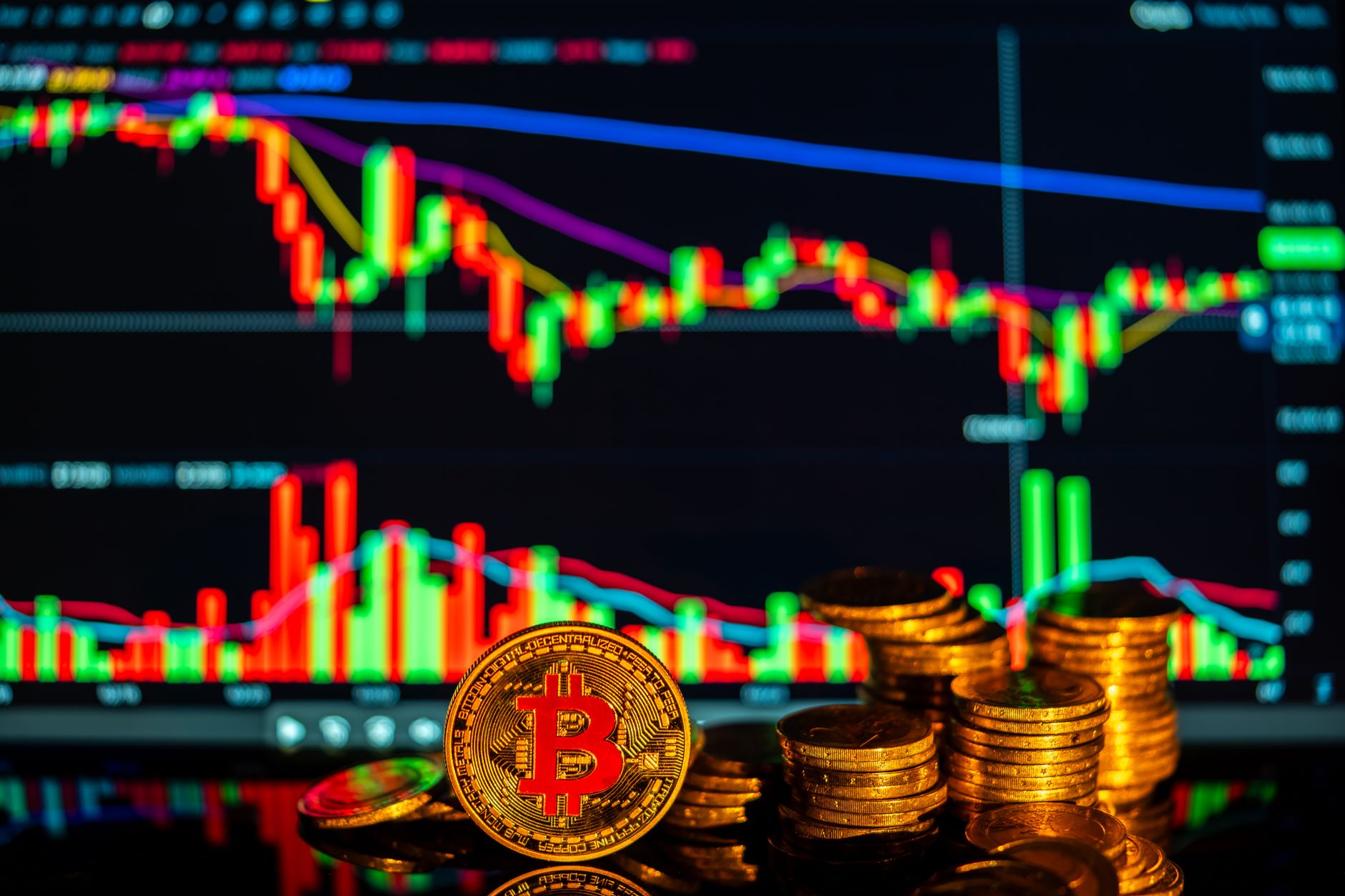
Bitcoin price forecast indicates that US inflation could significantly impact BTC’s stability. Investors are keen to understand whether Bitcoin can maintain its value above $75,000 amidst these economic pressures.
Understanding Bitcoin Price Trends
Understanding Bitcoin price trends is crucial for investors looking to navigate the volatile cryptocurrency market. Recently, the Bitcoin price forecast has drawn significant attention as analysts attempt to gauge the impact of US inflation on BTC valuations.
Several factors contribute to the fluctuations in Bitcoin prices:
- Market Sentiment: Investor behavior can dramatically shift based on news and economic indicators, particularly related to inflation rates.
- Regulatory Changes: Government policies and regulations surrounding cryptocurrency can influence market stability and investor confidence.
- Technological Developments: Advances in blockchain technology and Bitcoin’s underlying infrastructure can affect supply and demand dynamics.
With the current inflationary pressures in the US economy, many are questioning whether these factors will prevent BTC from falling below the critical $75,000 mark. The Bitcoin price forecast remains uncertain, but understanding these trends can help investors make informed decisions.
Key Factors Influencing BTC Value
The Bitcoin price forecast is heavily influenced by several key factors that shape market sentiment and investor behavior. Understanding these factors is crucial for predicting future movements in BTC value.
- US Inflation Rates: Rising inflation can lead to increased interest in Bitcoin as a hedge against currency devaluation.
- Regulatory Developments: Changes in government policy regarding cryptocurrencies can impact investor confidence and market stability.
- Market Demand: The overall demand for Bitcoin, driven by institutional and retail investors, plays a significant role in determining its price.
- Technological Advancements: Improvements in blockchain technology and the Bitcoin network can enhance its utility and attractiveness to users.
- Global Economic Trends: Economic events, such as recessions or significant financial crises, can lead to shifts in how investors view Bitcoin and other cryptocurrencies.
Each of these factors contributes to the complex landscape surrounding Bitcoin price forecasts, ultimately influencing its value in the market.
US Inflation and Its Impact on Crypto
The relationship between US inflation and cryptocurrency markets has drawn significant attention from investors and analysts alike. As inflation continues to rise, its impact on the Bitcoin price forecast becomes increasingly relevant.
Many experts believe that high inflation rates could lead to increased demand for Bitcoin as a hedge against currency devaluation. This phenomenon often prompts investors to seek alternative assets, driving up the price of Bitcoin.
However, the actual influence of inflation on Bitcoin remains complex, affected by various factors. Key considerations include:
- Market Sentiment: The perception of inflation can lead to fluctuating investor confidence.
- Regulatory Changes: Potential government interventions in response to inflation could impact Bitcoin’s attractiveness.
- Global Economic Conditions: Broader economic issues can sway investor behaviors in unpredictable ways.
As the landscape evolves, the Bitcoin price forecast will continue to hinge on these intertwined dynamics, making investor vigilance essential.
Historical Bitcoin Price Movements
Over the past few years, Bitcoin has exhibited significant price fluctuations, influenced by a myriad of factors. Historical data shows that the Bitcoin price forecast is often swayed by macroeconomic trends, particularly inflation rates in the United States.
For instance, during 2020 and 2021, Bitcoin surged to unprecedented heights, largely due to increased institutional adoption and rising concerns about inflation. As the Federal Reserve implemented substantial monetary stimulus, Bitcoin was seen as a hedge against potential currency devaluation.
However, following its peak, Bitcoin has faced considerable corrections. In 2022, the cryptocurrency experienced sharp declines, influenced by tightening monetary policies and regulatory scrutiny. Investors began to reassess their positions, leading to a volatile market.
Looking forward, analysts are closely monitoring inflation trends. A sustained inflationary environment could bolster Bitcoin’s appeal as a store of value, shaping its price forecast amidst ongoing economic uncertainties.
Market Reactions to Economic Indicators
As the US inflation rate continues to fluctuate, market reactions have been closely tied to economic indicators, significantly impacting the Bitcoin price forecast. Investors are increasingly cautious, analyzing data releases that could signal shifts in monetary policy.
Recent reports suggest that higher inflation rates may lead to increased interest rates, a situation that historically has pressured Bitcoin prices. In response, many traders are shifting their strategies to navigate this volatile landscape. Key market reactions include:
- Increased trading volume as investors react to inflation news.
- Heightened volatility in Bitcoin prices, with rapid fluctuations observed.
- A growing interest in hedging strategies to protect against inflation risks.
Moreover, analysts note that while Bitcoin is often seen as a hedge against inflation, its price movements remain sensitive to broader economic trends. The interplay between inflation and investor sentiment will be crucial in determining future price trajectories.
Expert Opinions on Bitcoin’s Future
Experts are closely monitoring the evolving landscape of the cryptocurrency market, particularly in relation to Bitcoin’s price forecast. Many analysts believe that the persistent inflation in the US economy could play a significant role in determining Bitcoin’s value in the near future.
According to Dr. Jane Smith, a leading financial analyst, “As inflation rises, investors may look towards Bitcoin as a hedge against currency devaluation. This could stabilize its price above the $75,000 mark.”
In contrast, Mark Johnson, a cryptocurrency strategist, cautions that “volatile market conditions and regulatory changes could still pose risks. It’s essential to consider all factors influencing Bitcoin’s future.”
Furthermore, Sarah Lee, a blockchain expert, emphasizes the importance of understanding market sentiment: “Public perception and investor confidence are crucial. If people believe Bitcoin can withstand inflationary pressures, we may see a bullish trend.”
Overall, the outlook remains mixed, with experts divided on Bitcoin’s trajectory amidst ongoing economic challenges.
Strategies for Bitcoin Investors
As the market navigates the complexities of US inflation, investors are seeking effective strategies to enhance their portfolios amidst fluctuating Bitcoin prices. Here are some key approaches to consider:
- Dollar-Cost Averaging: This strategy involves consistently investing a fixed amount in Bitcoin, regardless of its price. This can help mitigate volatility and reduce the impact of market timing.
- Research and Analysis: Staying informed about economic indicators and their potential effects on Bitcoin price forecasts is crucial. Following expert analyses can provide insights into future movements.
- Diversification: To reduce risk, consider diversifying investments across various cryptocurrencies and traditional assets. This can cushion against sudden price drops.
- Long-Term Holding: Many investors advocate for a long-term view on Bitcoin, suggesting that holding through market fluctuations can lead to substantial gains over time.
By employing these strategies, investors can better navigate the turbulent waters of Bitcoin’s price forecast amidst ongoing economic changes.
What to Watch in the Crypto Market
As investors navigate the volatile landscape of cryptocurrency, several key factors are expected to influence the Bitcoin price forecast in the coming weeks. Understanding these elements can help traders make informed decisions amid fluctuating market conditions.
- Regulatory Changes: Keep an eye on potential regulations that could affect Bitcoin trading and mining activities. New policies could have significant effects on market sentiment.
- Investor Sentiment: The overall mood among investors can drive Bitcoin prices up or down. Monitor social media trends and trading volumes for insights.
- Technological Developments: Innovations in blockchain technology and Bitcoin protocols may also impact its price forecast, as they can enhance security and transaction efficiency.
- Global Economic Conditions: Broader economic indicators, including interest rates and inflation rates, will play a crucial role in shaping Bitcoin’s market trajectory.
By staying informed about these aspects, investors can better position themselves in a market that remains unpredictable yet full of potential.
The current economic climate has raised questions about the accuracy of the Bitcoin price forecast amid rising inflation rates. Analysts are closely monitoring these trends to adjust their Bitcoin price forecast accordingly.
Photo by Rafael Minguet Delgado on Pexels