 Louis Butler
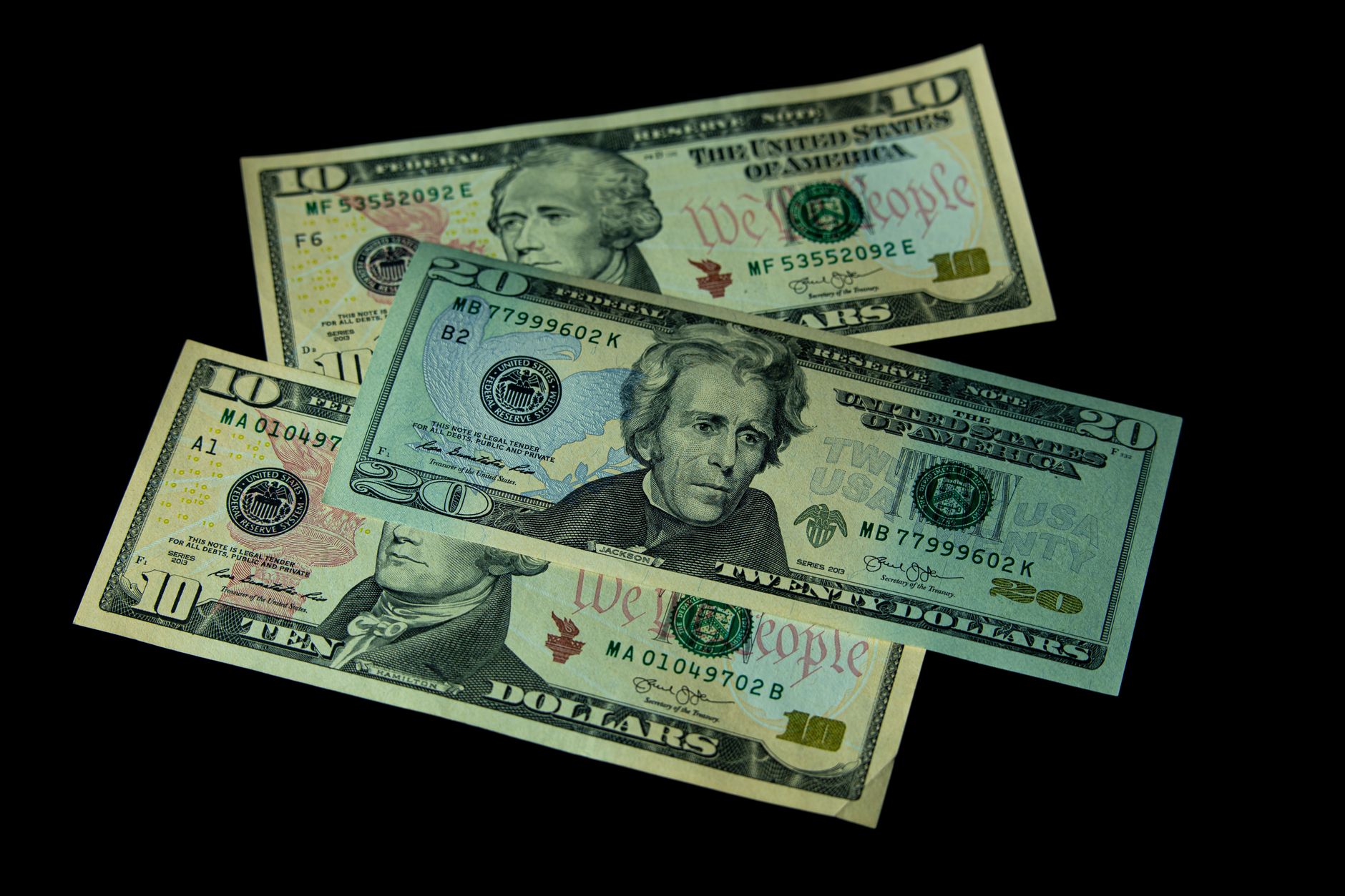
Dollar reaches 19-month high, driven by rising rate expectations that are reshaping financial landscapes. Investors are closely monitoring these developments for potential impacts.
Understanding the Dollar’s Rise
The recent surge in the value of the dollar has marked a significant milestone, as it reaches a 19-month high. This increase can be attributed to a variety of factors, primarily centered around market expectations regarding interest rates.
Analysts suggest that the rise in the dollar’s value reflects investor confidence in the economic policies of the United States. As the Federal Reserve signals potential interest rate hikes, attention has shifted towards the implications for both domestic and international markets. Higher interest rates typically attract foreign investment, leading to an increased demand for the dollar.
Some key factors contributing to the dollar’s rise include:
- Interest Rate Expectations: Anticipation of rate increases has encouraged investors to favor the dollar.
- Economic Indicators: Strong employment numbers and robust GDP growth have bolstered confidence in the U.S. economy.
- Global Uncertainty: Geopolitical tensions and economic instability in other regions have led investors to seek safe-haven assets, such as the dollar.
As the dollar continues to strengthen, its impact on global markets is becoming increasingly apparent. Currency fluctuations can influence trade balances and investment strategies, making it crucial for businesses and investors to stay informed about these developments.
What Rate Expectations Mean for Investors
The recent surge of the dollar to a 19-month high has sent ripples through the investment landscape, prompting many to reassess their strategies. Central to this shift are changing rate expectations, which have significant implications for various asset classes.
As the Federal Reserve signals its intent to maintain a tighter monetary policy, investors are recalibrating their portfolios. The anticipation of higher interest rates tends to strengthen the dollar, making it more appealing to foreign investors. This has led many to consider the following:
- Equities: A stronger dollar can impact multinational companies, as their overseas earnings translate into fewer dollars. Investors may need to focus on domestic firms that rely less on international revenue.
- Bonds: Rising rates typically lead to lower bond prices. Investors should be cautious and perhaps consider shorter-duration bonds to mitigate interest rate risk.
- Commodities: The dollar’s strength often results in lower commodity prices, as they are priced in dollars. Investors in this space should be aware of potential volatility.
In summary, the dollar reaching a 19-month high is not just a number; it carries profound implications for investors. Understanding these rate expectations is crucial for navigating the current market environment successfully.
Dollar Reaches 19-Month High: Key Factors
The recent surge of the dollar to a 19-month high has been influenced by several key factors that investors are closely monitoring.
- Interest Rate Hikes: The anticipation of further interest rate hikes by the Federal Reserve has strengthened the dollar. As the Fed signals a more aggressive monetary policy, investors flock to the dollar as a safe haven.
- Global Economic Uncertainty: Ongoing geopolitical tensions and economic instability in various regions have led to increased demand for the dollar. As a global reserve currency, it often sees heightened interest during turbulent times.
- Inflation Concerns: Rising inflation rates have prompted speculation about the Fed’s actions. As investors seek protection against inflation, the dollar’s value tends to rise as expectations grow for higher returns.
- Strong Economic Indicators: Recent positive economic data, including employment figures and GDP growth, have bolstered confidence in the U.S. economy, further driving the dollar’s appreciation.
The combination of these factors has not only propelled the dollar to its current levels but also influenced market trends across various sectors. Investors are advised to remain vigilant as the dollar’s strength continues to shape economic dynamics.
Future Outlook for the Dollar
The recent surge of the dollar to a 19-month high has sparked significant discussions about its future trajectory and potential implications for various markets. As investors evaluate the impact of ongoing rate expectations, speculation is rife regarding how long this upward trend can be sustained.
Analysts predict that the dollar’s strength could continue if economic indicators remain favorable. Key factors include:
- Interest Rate Decisions: The Federal Reserve’s stance on interest rates will play a crucial role. A continuation of rate hikes could further bolster the dollar.
- Inflation Trends: If inflation remains under control, the Fed may have more room to maneuver, reinforcing confidence in the dollar.
- Global Economic Stability: Geopolitical tensions or economic instability in other regions may drive investors to seek safety in the dollar.
However, there are potential headwinds that could reverse this trend. Should the Fed signal a pause in rate hikes or if economic data starts showing signs of deterioration, the dollar might not hold its current strength.
Overall, while the dollar reaches a remarkable 19-month high, its future remains uncertain, influenced by both domestic policy decisions and international economic conditions. Investors are advised to stay vigilant as these factors unfold.
The dollar reaches 19-month high, prompting analysts to reassess their forecasts for economic growth. This surge in the dollar reaches 19-month high has significant repercussions for both domestic and international markets.
Photo by Sergei Starostin on Pexels