
 Louis Butler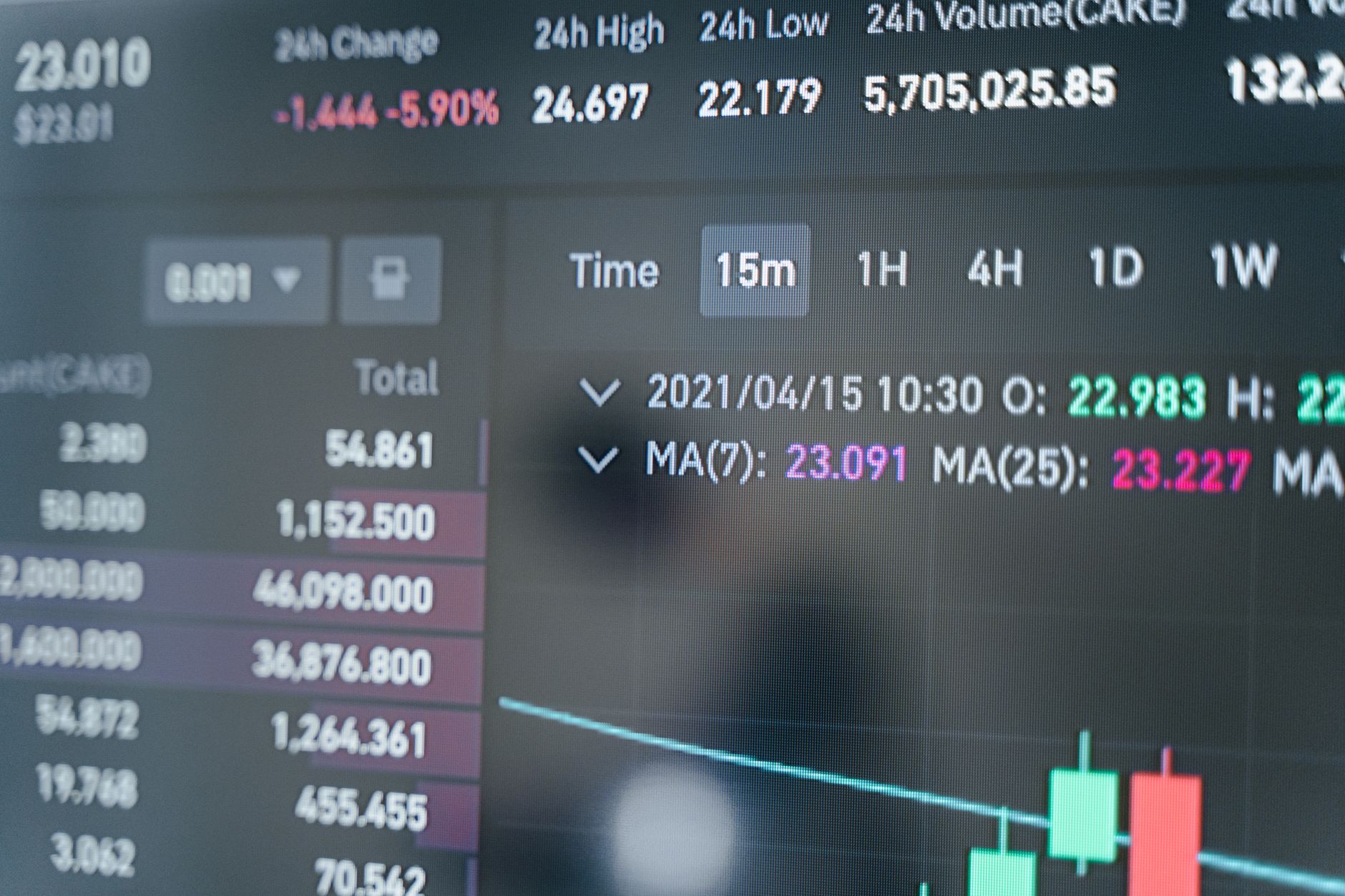
Sensex market rise has captured attention today as it surged over 1,500 points, marking a three-week high. Investors are curious about the factors driving this impressive increase.
What Contributed to the Sensex Market Rise?
The Sensex market rise today can be attributed to several key factors that fueled investor optimism. Major contributors include:
- Positive global cues: International markets displayed strength, providing a solid backdrop for local trading.
- Encouraging economic data: Recent reports highlighted strong performance in various sectors, boosting confidence in economic recovery.
- Institutional buying: Significant purchases by foreign institutional investors (FIIs) signaled renewed interest in the Indian equities market.
- Sectoral gains: Key sectors such as banking, IT, and consumer goods saw substantial gains, contributing to the overall rise.
- Government policies: Recent announcements regarding infrastructure spending and reforms have bolstered market sentiment.
This combination of factors has led to a robust Sensex market rise, with the index surging over 1,500 points and closing at a three-week high, reflecting a positive outlook among investors.
Key Factors Behind Today’s Market Surge
The recent surge in the Sensex market rise can be attributed to several key factors that have positively influenced investor sentiment. Here are some of the most significant drivers:
- Strong Corporate Earnings: Many companies reported better-than-expected quarterly earnings, showcasing resilience and growth potential.
- Global Market Trends: Positive trends in major international markets have encouraged local investors to buy into equities, boosting overall market confidence.
- Policy Support: Recent announcements from the government regarding economic stimulus measures have reassured investors about the country’s growth trajectory.
- Increased Foreign Investment: A notable influx of foreign direct investment has provided a solid foundation for market stability, encouraging further gains.
- Lower Interest Rates: With interest rates remaining low, borrowing costs are reduced, making it more attractive for businesses to invest and expand.
These factors combined have propelled the Sensex to a remarkable increase, reflecting a robust market outlook.
Investor Reactions to the Sensex Increase
Investor reactions to the recent Sensex market rise have been overwhelmingly positive, with many expressing optimism about future trends. As the index surged over 1,500 points, retail and institutional investors alike took to social media to share their thoughts on the impressive climb.
Several key sentiments emerged from the market participants:
- Renewed Confidence: Many investors highlighted a renewed sense of confidence in the Indian economy, attributing the rise to strong corporate earnings and favorable government policies.
- Market Sentiment: A widespread belief in a bullish market sentiment has prompted a wave of buying activity, leading to increased trading volumes.
- Positive Outlook: Analysts and investors are expressing a positive outlook for the coming weeks, with expectations of further gains based on economic indicators.
Overall, the Sensex market rise has sparked enthusiasm among investors, encouraging many to evaluate their portfolios and explore new investment opportunities. The strong closing at a three-week high has left many wondering if this trend will continue.
Market Trends: What to Expect Next?
As investors celebrate the recent Sensex market rise, many are eager to understand what to expect in the coming days. Market analysts suggest that while the current surge is impressive, several factors may influence future trends.
Firstly, global economic conditions could play a significant role. If international markets maintain their upward trajectory, it may positively impact the Sensex in the short term. Additionally, ongoing corporate earnings reports are expected to provide clearer insights into the health of various sectors.
Secondly, government policy announcements related to fiscal measures or infrastructure spending could further bolster investor confidence. As the central bank continues to monitor inflation and interest rates, any adjustments in policy may also affect market performance.
Lastly, analysts recommend that investors keep an eye on geopolitical developments that could cause volatility. Staying informed about these factors will be crucial for predicting the sustainability of this rally.
In summary, while the current trend is positive, ongoing vigilance is essential for navigating the evolving market landscape.
Global Influences on Indian Markets
The recent surge in the Sensex market rise can be attributed to several global influences that have spurred investor confidence. Key factors include:
- U.S. Economic Data: Positive economic indicators from the United States, including strong job growth and consumer spending, have led to a bullish sentiment across global markets.
- European Market Performance: Gains in major European indices, driven by easing inflation concerns, have encouraged investors in India to follow suit, contributing to the upward movement of the Sensex.
- Commodity Prices: A decline in crude oil prices has alleviated concerns over inflation in India, leading to increased buying activity in the stock market.
- Foreign Institutional Investment: A noticeable increase in foreign institutional investment (FII) has also played a pivotal role, as global investors seek to capitalize on the Indian market’s recovery potential.
These global factors combined have created a conducive environment for the Sensex market rise, boosting investor sentiment and market stability.
Understanding Stock Market Movements
The stock market is influenced by a variety of factors that can lead to significant movements, such as the recent Sensex market rise. Understanding these dynamics is crucial for investors and analysts alike. Here are some key elements that contribute to stock market fluctuations:
- Economic Indicators: Reports on GDP growth, inflation rates, and employment figures can significantly impact investor sentiment.
- Corporate Earnings: Strong earnings reports from major companies often boost market confidence, leading to a rise in stock prices.
- Policy Changes: Decisions made by central banks or government policies can create a ripple effect in the markets, influencing trading behaviors.
- Market Sentiment: Investor psychology plays a crucial role; optimism can drive prices up, while fear can lead to declines.
- Global Events: International developments, such as geopolitical tensions or economic agreements, also affect market performance.
By analyzing these factors, investors can better understand the reasons behind the Sensex market rise and make informed decisions moving forward.
Photo by Tima Miroshnichenko on Pexels